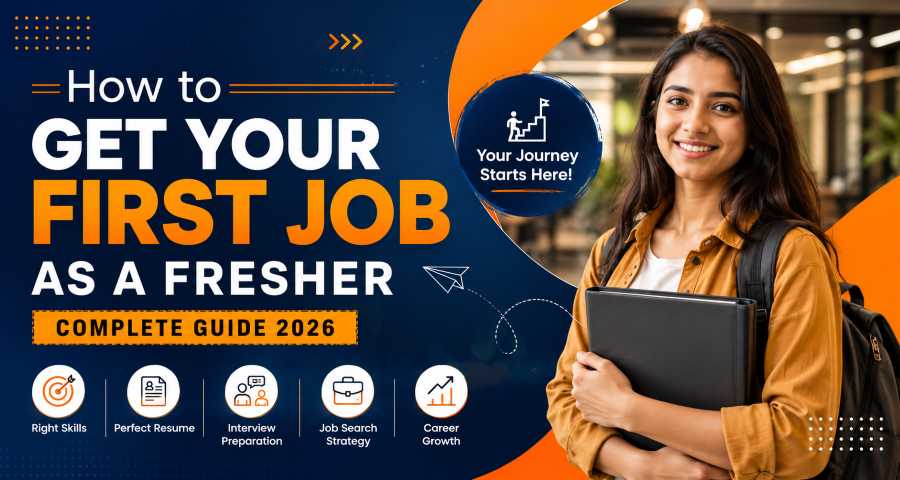
How to Get Your First Job as a Fresher A Complete Guide for 2026
Starting your career as a fresher can feel both exciting and challenging. Many graduates and students wonder how to get a job with little or no work experience. The good news is that every professional once started as a fresher. Companies understand this. Often hire candidates based on their skills, attitude and willingness to learn rather than years of experience.
In today's job market, simply having a degree is no longer enough. Employers are looking for candidates who possess skills, communication abilities, problem-solving capabilities and a positive mindset. Whether you're a graduate or someone entering the workforce for the first time, following the right strategy can significantly improve your chances of landing your dream job.
In this guide, you'll learn steps to secure your first job as a fresher, common mistakes to avoid and proven tips to stand out from other applicants.

Why Getting Your First Job Matters
Your first job lays the foundation for your career. It helps you:
Gain real-world work experience.
Develop technical and soft skills.
Build confidence
Expand your professional network.
Create opportunities for career growth.
Even if your first job isn't your dream role, it provides valuable experience that employers appreciate.
Step 1: Identify Your Career Goals
Before applying for jobs, determine what kind of career you want.
Ask yourself:
What are my strengths?
Which industries interest me?
What skills do I already have?
What kind of work environment suits me?
Choosing a career direction helps you apply for relevant positions instead of sending your resume everywhere.
Step 2: Build the Right Skills
Many companies hire freshers based on skills rather than experience.
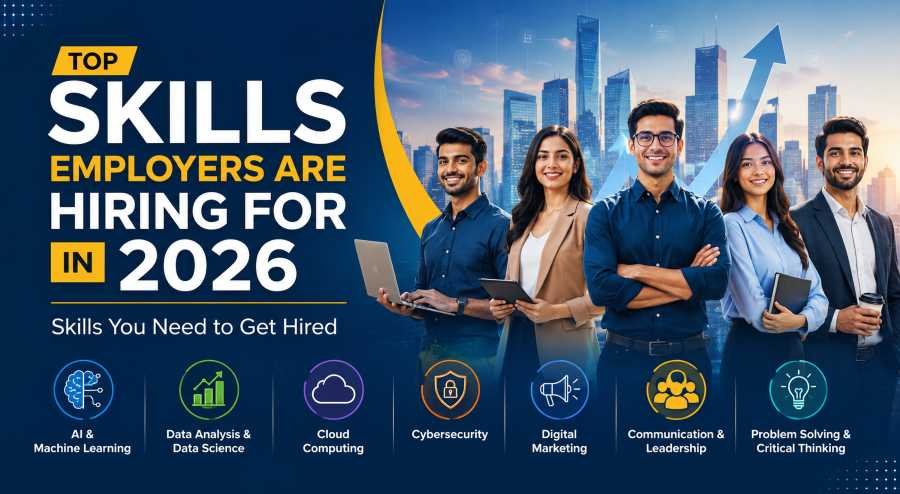
Some in-demand skills include:
Technical Skills
MS Excel
Digital Marketing
Web Development
Graphic Designing
Data Analysis
Python
Java
SQL
Cloud Computing
AI Tools
Soft Skills
Communication
Teamwork
Leadership
Time Management
Critical Thinking
Adaptability
Problem Solving
Online learning platforms, certifications and internships can help improve these skills.
Step 3: Create a Professional Resume
Your resume is often your impression.
A fresher resume should include:
Contact Information
Career Objective
Educational Qualifications
Technical Skills
Certifications
Internships
Projects
Achievements
Languages
Hobbies
Resume Tips
Keep it one page.
Use formatting.
Avoid spelling mistakes.
Customise it for every job.
Include achievements wherever possible.
Step 4: Build a Strong LinkedIn Profile
Recruiters frequently search for candidates on LinkedIn.
Optimise your profile by:
Using a photo
Writing an attractive headline
Adding certifications
Listing projects
Showcasing skills
Asking professors or internship mentors for recommendations
A complete LinkedIn profile increases your visibility to recruiters.
Step 5: Gain Practical Experience
Experience doesn't always mean a full-time job.
You can gain experience through:
Internships
Freelancing
College Projects
Volunteer Work
Open Source Contributions
Personal Projects
Employers appreciate candidates who demonstrate initiative.
Step 6: Apply Strategically
Don't apply to hundreds of jobs.
Instead:
Read the job description carefully.
Match your resume with the requirements.
Write a customised cover letter.
Apply to relevant positions.
Quality applications perform better than quantity.
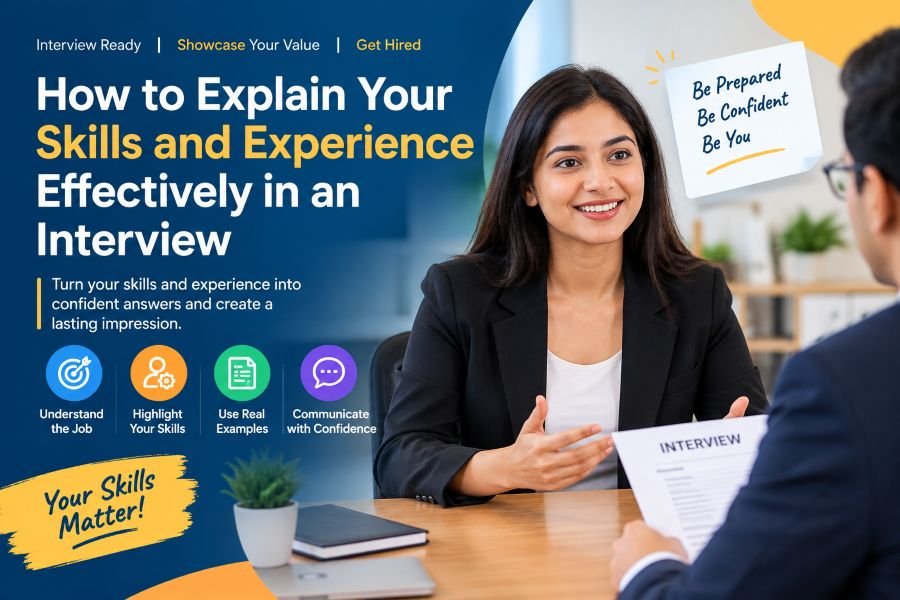
Step 7: Prepare for Interviews
Interview preparation is crucial.
Common fresher interview questions include:
Tell me about yourself.
Why should we hire you?
What are your strengths?
What are your weaknesses?
Why do you want this job?
Where do you see yourself in five years?
Practice answering confidently.
Research the company before the interview.
Step 8: Improve Your Communication Skills
Excellent communication often separates candidates from others.
Improve by:
Reading
Practising spoken English
Participating in discussions
Watching professional presentations
Recording yourself speaking
Confidence develops with practice.
Step 9: Network with Professionals
Networking opens job opportunities.
Connect with:
College alumni
Professors
HR professionals
Industry experts
Recruiters
Attend:
Job fairs
Career events
Workshops
Webinars
Industry conferences
Many jobs are filled through referrals.
Step 10: Keep Learning
Industries evolve rapidly.
Stay updated by learning:
New technologies
Industry trends
Professional certifications
AI tools
Digital skills
Continuous learning keeps you competitive.
Best Job Portals for Freshers
Job websites include:
LinkedIn Jobs
Indeed
Naukri.com
Foundit
Internshala
Glassdoor
Freshersworld
Set up job alerts to receive new opportunities daily.
Common Mistakes Freshers Should Avoid
Many freshers unknowingly reduce their chances of getting hired.
Avoid these mistakes:
Applying without reading job descriptions
Sending the resume everywhere
Ignoring LinkedIn
Poor interview preparation
Lack of communication skills
Giving up after a few rejections
Not following up after interviews.
Persistence is often the key to success.
Tips to Stand Out from Other Candidates
To impress recruiters:
Build an online portfolio.
Showcase personal projects.
Earn industry certifications.
Maintain an online presence.
Learn AI productivity tools.
Practice aptitude tests.
Improve problem-solving skills.
Stay updated with industry news.
Employers value candidates who demonstrate curiosity and continuous improvement.
Career Options for Freshers in 2026
Some of the growing career opportunities include:
Software Developer
Digital Marketing Executive
Data Analyst
AI Specialist
Cloud Engineer
UI/UX Designer
Cybersecurity Analyst
Sales Executive
HR Recruiter
Business Development Executive
Content Writer
Customer Success Associate
These careers offer excellent growth opportunities for beginners.

Final Tips for Success
Remember:
Be patient.
Learn every day.
Keep improving your resume.
Practice interviews regularly.
Never stop applying.
Build your confidence.
Stay positive.
Your first job may take time. Consistent effort always pays off.
Conclusion
Getting your job as a fresher may seem difficult, but with the right approach, it becomes much easier. Focus on building skills, creating a professional resume, optimising your LinkedIn profile, gaining practical experience through internships or projects and preparing thoroughly for interviews. Every application and interview is a learning opportunity that brings you one step closer to success.
Remember, employers are not looking for experience—they are also searching for candidates with enthusiasm, adaptability and a willingness to grow. Stay consistent, continue learning and never lose confidence after facing rejection. With dedication and persistence, you'll successfully launch your career. Build a strong foundation for future professional growth.
Frequently Asked Questions (FAQs)
1. How can I get my job without any experience?
You can gain experience through internships, freelance work, college projects, volunteer work, certifications and personal projects to strengthen your resume.
2. What skills are most important for freshers?
Employers value communication, teamwork, problem-solving, adaptability, technical knowledge, digital literacy and time management.
3. How many jobs should a fresher apply for daily?
Aim to apply for 10–20 jobs each day with customised resumes and cover letters instead of sending generic applications.
4. Is LinkedIn important for freshers?
Yes. An optimized LinkedIn profile helps recruiters discover your profile, verify your skills and connect with you for job opportunities.
5. How long does it take for a fresher to get a job?
The timeline varies depending on your skills, industry and job market. With effort, many freshers secure a job within a few weeks to a few months.
Thank you for reading 🙂
------------------------------------------------------------------------------------------------------------------
Read more blogs, click here
Follow us on Instagram
Digital Currencies
If you want to build your website at an affordable price, then click here