AI Powered Recruitment in 2027 How Artificial Intelligence Is Changing Talent Acquisition
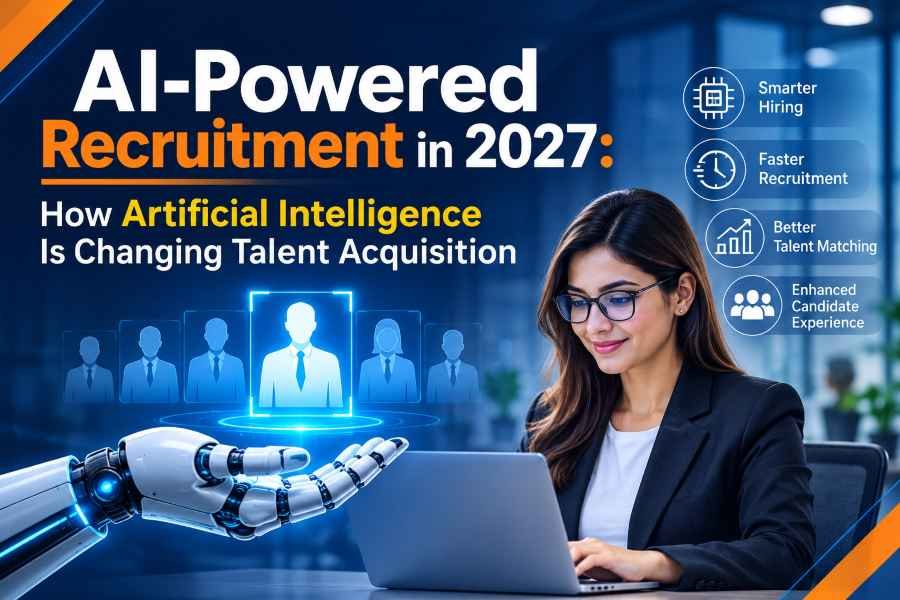
I see that the recruitment industry is undergoing a change as businesses increasingly use Artificial Intelligence (AI) to make their hiring processes better. Traditional ways of recruiting mean manually looking over resumes picking candidates setting up interviews and juggling many job applications. These tasks can take a lot of time and resources for companies that receive hundreds or thousands of applications. In 2027 AI-powered recruitment is becoming a part of modern talent acquisition helping organisations spot suitable candidates boost hiring speed and make better hiring decisions.
I notice that Artificial Intelligence is changing how employers meet employees by giving them smarter tools, automated screening and hiring strategies based on data. From businesses and startups to large companies organisations are looking at AI-based recruitment solutions to make hiring easier and find qualified professionals. Online job portals are also growing in importance because they give employers a place to post jobs and connect with seekers in many fields.
I think as the fight for workers gets harder AI-powered recruitment is likely to shape the future of hiring. Knowing these changes can help employers create recruitment plans and help job seekers ready themselves for new job chances.
How Artificial Intelligence Is Transforming Recruitment and Talent Acquisition in 2027
I notice that Artificial Intelligence is changing every part of recruitment. One of its uses is automatic resume screening. Recruiters used to spend a lot of time looking at each resume to find candidates who fit the job. AI-powered systems can read resumes spot the qualifications notice important skills and shortlist applicants based on set rules. This lets recruiters handle applications and cut down on repetitive paperwork.
Another big change is AI-based candidate matching. Modern recruiting platforms can match job descriptions to candidate profiles to spot skills, work experience, education and industry knowledge. Than relying only on manual searches recruiters can use smart matching systems to find potential employees who fit the job. This can make candidate suggestions more relevant. Bring more order to hiring.
I find that AI-powered chatbots are also changing how recruiters talk to candidates. Job seekers often ask about how to apply, interview times, job needs and hiring updates. AI chatbots can give answers walk candidates through the application steps and give basic info anytime. This keeps communication smooth. Lets recruitment teams focus on more important tasks.
Predictive analytics is another tool in talent acquisition. AI systems can look at hiring data find patterns and help employers see what the workforce needs. Companies can use these insights to plan hiring, judge candidate availability and improve their talent plans.
Also AI-assisted interview scheduling tools can set up interview times by finding slots for recruiters and candidates. Automatic alerts and reminders cut down on scheduling delays. Make the candidate experience better.
I believe these changes show how Artificial Intelligence is making recruitment more tech-focused organized and efficient.. People still matter for judging how well someone talks fits the culture behaves professionally and for the final hiring call.
Top AI Recruitment Trends That Will Shape the Future of Hiring
I think the future of recruiting in 2027 will be shaped by AI tools and shifting employer needs. One key trend is skills-based hiring. Companies now want to find candidates by looking at their skills technical know-how and work abilities instead of just education. AI-powered tools can help recruiters spot skills in resumes, tests and profiles making it easier to find good talent.
Another major trend is AI-powered recruitment automation. Companies are using automated systems to handle tasks like posting jobs, filtering resumes talking to candidates and setting up interviews. Automation cuts down on paperwork. Lets HR spend more time building relationships with candidates and sharpening hiring plans.
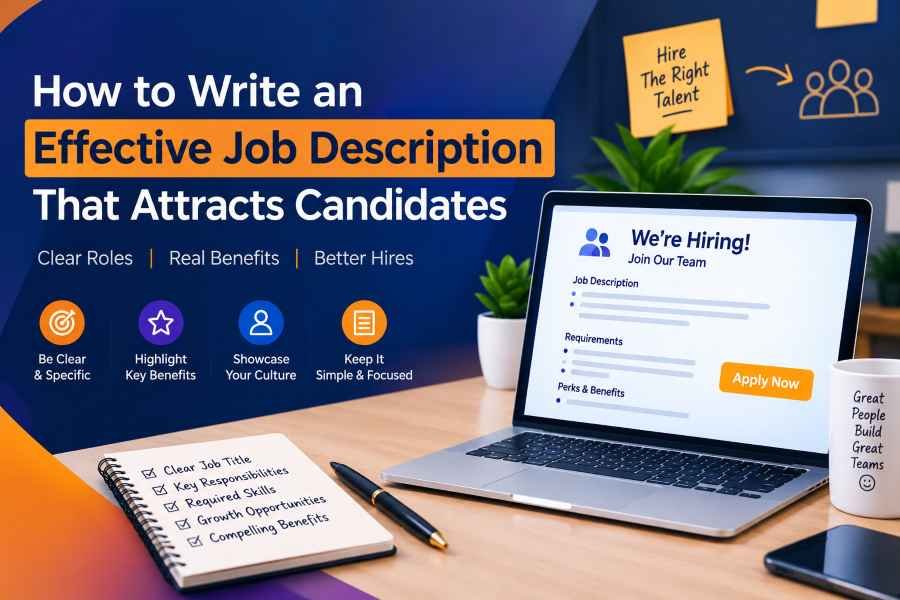
Generative AI is also becoming a recruiting tool. Recruiters can use AI to write job descriptions make job ads, design interview questions and create templates for talking to candidates. These tools help HR make recruiting material faster. Keep it consistent across campaigns.. Recruiters still need to check AI-made content to make sure it is correct and not misleading.
Data-driven recruitment is another trend that is growing. Employers can look at numbers, like how applications they get how many candidates move forward interview results and how long it takes to hire. These insights help organisations see which recruiting channels work best and where they can improve.
Furthermore individual candidate experiences are becoming more important. AI‑powered recruitment systems can suggest job opportunities that match a candidate’s qualifications, skills, experience and career interests. This helps job seekers find vacancies and allows employers to connect with more relevant applicants.
The growing use of AI in recruitment also creates a demand for AI literacy and digital skills across industries. Employers are more interested in candidates who can adapt to technology changes work with tools and show problem‑solving abilities.
Online job portals are essential in this changing recruitment environment. Platforms like ClickNaukri help employers and job seekers connect through job listings and online recruitment opportunities. Businesses can use online job posting platforms to improve vacancy visibility reach candidates and simplify their recruitment activities.
Benefits and Challenges of AI‑Powered Recruitment for Employers and Job Seekers
AI‑powered recruitment offers benefits for businesses that want to improve their hiring processes. One of the advantages is time efficiency. Automated resume screening, candidate matching and interview scheduling reduce the time recruiters spend on tasks. This allows HR teams to focus on candidate evaluation, interviews and workforce planning.
Another important benefit is candidate discovery. AI‑powered recruitment systems can analyze amounts of candidate information and find profiles that match specific job requirements. This helps employers discover professionals with experience and specialized skills who might otherwise be missed during manual screening.
Cost efficiency is another reason businesses explore hiring solutions. Reducing work and improving recruitment workflows helps organizations manage hiring resources more effectively. Small businesses and startups can especially benefit from combining job portals with affordable digital recruitment strategies.

For job seekers AI‑powered recruitment can improve job discovery by recommending vacancies based on their professional profiles. Candidates can also use AI tools to improve their resumes prepare for interviews and identify skills needed for their desired careers.
However AI‑powered recruitment also presents challenges. One major concern is bias. If an AI system is trained with historical recruitment data it may unintentionally favor certain candidate profiles over others. Organizations must regularly evaluate their recruitment systems to promote inclusive hiring practices.
Data privacy is another consideration. Recruitment platforms handle candidate information, such as contact details, employment history and professional qualifications. Businesses must ensure that candidate information is collected, processed and stored responsibly.
Overdependence on automation can also create problems. AI systems may overlook candidates whose experience or skills are presented differently from predefined recruitment criteria. Therefore human recruiters should stay involved in hiring decisions and review AI‑generated recommendations carefully.
For recruitment in 2027 businesses should adopt a balanced approach that combines AI‑powered recruitment with human expertise. Using AI for tasks while keeping people responsible for important decisions can create a more transparent, efficient and candidate‑friendly recruitment process.
Conclusion
AI‑powered recruitment is changing talent acquisition by making hiring processes more efficient and based on data. Technologies such as automated resume screening, intelligent candidate matching, recruitment chatbots and predictive analytics help businesses improve their hiring strategies and connect with professionals. Although challenges such as bias, data privacy and excessive automation require attention responsible AI adoption can create valuable opportunities for employers and job seekers.
In 2027 businesses that combine recruitment technologies with human decision‑making will be better positioned to attract skilled talent and build productive teams. Online job portals such as ClickNaukri can further support this change by helping employers publish job vacancies and connect with candidates through recruitment opportunities. As the hiring landscape continues to evolve adopting effective recruitment strategies will be essential for long‑term business growth.
Frequently Asked Questions (FAQs)
1. What is AI‑powered recruitment?
AI‑powered recruitment uses Artificial Intelligence to improve hiring activities like resume screening, candidate matching, interview scheduling, job recommendations and recruitment data analysis.
2. How is Artificial Intelligence changing talent acquisition in 2027?
Artificial Intelligence is making talent acquisition more efficient through automated screening, intelligent candidate recommendations, recruitment chatbots, predictive analytics and hiring decisions based on data.
3. What are the major benefits of AI in recruitment?
The major benefits include faster candidate screening, reduced administrative work, improved candidate matching, better recruitment efficiency hiring decisions based on data and enhanced candidate communication.
4. Can AI replace recruiters in the future?
AI can automate recruitment activities but human recruiters remain essential, for evaluating communication skills, professional behavior, cultural compatibility and final hiring decisions.
5. How can online job portals help businesses with recruitment?
Online job portals help businesses publish vacancies boost job visibility link with candidates and simplify recruitment steps. Platforms such, as ClickNaukri give employers and job seekers opportunities to connect.
Thank you for reading
Search Jobs
Know Worker Rights
Corporate Training
Recruitment & Staffing
Find Recruiters
Find Recruiters
Find Recruiters
------------------------------------------------------------------------------------------------------------------------------------------------
Journalism & News Industry
Resumes & Portfolios
Teaching & Classroom Resources
Read more blogs: click here
Compare Benefits Plans
Follow on Instagram