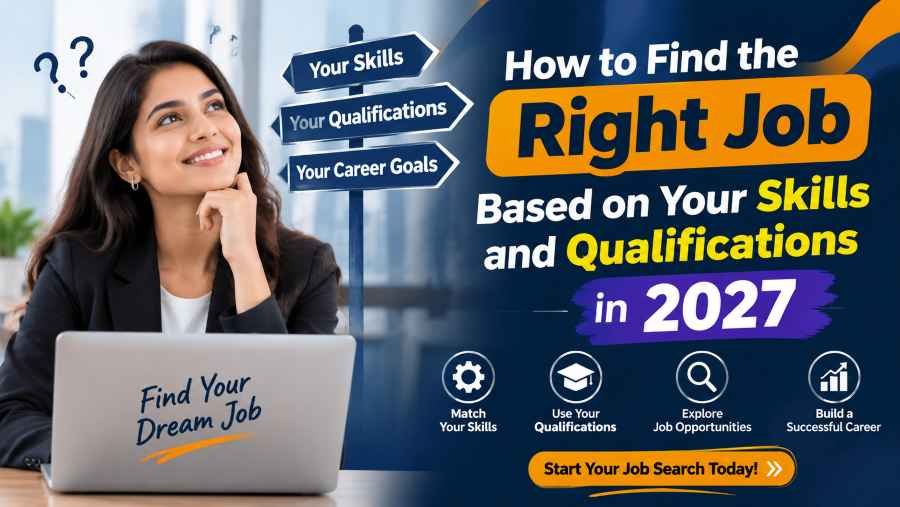
How to Find the Right Job Based on Your Skills and Qualifications in 2027
Finding the right job is a key step to building a successful career. In 2027, the job market is more competitive. Employers want candidates with the right mix of education, practical know‑how, technical skills, and strong communication. Whether you are a seasoned professional or someone planning a career change, picking a job that fits your skills and qualifications can help you grow over the long term. Rather than applying to every vacancy, job seekers should concentrate on opportunities that fit their abilities, interests and career goals.
Digital recruitment platforms have made it easier to find employment. Candidates can look at industries, compare job requirements, and find vacancies that match their education and experience. Online job portals like ClickNaukri let job seekers see career opportunities and meet employers. Knowing your strengths. How to search for relevant vacancies can make the job search more productive and raise the chances of finding the right position.
Understand Your Skills, Qualifications and Career Interests Before Searching for Jobs
The first step in finding a job is to understand your own skills and qualifications. Every candidate has strengths, education and interests. Some people have technical knowledge while others excel at communication, management, creativity or problem‑solving. Spotting these abilities can tell you which career options suit your profile. Before you start the job search, look at your education, past work, certifications, technical know‑how and personal strengths. That review will show you which industries and job roles you can do well in.
Education is also key when picking employment. People with degrees in engineering, commerce, science, management, arts or computer applications can look at career paths that fit their studies. For instance, those with a computer science degree may think about software development, IT support, data analysis or cybersecurity. Commerce graduates can look at accounting, banking, finance, tax and business administration. Likewise, people with a management degree may find jobs in resources, marketing, operations or business development. Still, education is not the only thing employers look at. Know‑how certifications, internships and real experience can also boost a candidate's profile.
Besides qualifications, spotting your technical and soft skills is just as vital. Technical skills might be programming, graphic design, digital marketing, data analysis, accounting software, website building and other industry tools. Soft skills are teamwork, leadership, communication, flexibility, time management and critical thinking. Employers want candidates who mix skills with good professional conduct. Knowing your strengths can guide you to pick a job that matches your abilities and avoid applying for roles that do not fit. You can also learn about careers and talk to professionals in your chosen field to see what skills are needed.
Explore Online Job Opportunities That Match Your Skills and Educational Background
After you know your skills and qualifications, the next step is to find job opportunities. Online job portals make recruitment easier by letting candidates look at vacancies in industries and places. Than going to each company job seekers can search online for open positions and read about the eligibility, duties, experience needed and how to apply. Platforms like ClickNaukri give a space where job seekers can see opportunities and where employers can meet talent.

While looking for employment, candidates should use job titles and keywords that match their skills and qualifications. For example, a person who knows search engine optimisation, media marketing, and content creation can search for digital marketing executive, SEO specialist, social media manager or content marketing roles. Likewise, someone with programming know‑how can look for software developer, web developer, front‑end developer or back‑end developer openings. Using keywords rather than vague searches can help job seekers find more relevant opportunities.
Another key point is picking the industry and job category. In 2027, jobs exist in IT, healthcare, education, banking, finance, digital marketing, manufacturing, logistics, sales, customer support and e‑commerce. Candidates should look at industries that fit their education and interests. Freshers can aim for entry‑level roles, internships, trainee programmes and graduate hiring. Experienced professionals can look for senior roles that match their past duties and skill level.
Location preferences are a part of the job search. Some candidates like to work in cities such as Delhi, Mumbai, Bengaluru, Hyderabad and Pune. Other candidates want jobs in their hometown or nearby. Remote and hybrid jobs also give flexibility. By looking at job location, salary, working hours and career growth, candidates can make job choices.
Candidates should read each job description carefully before applying. A job ad usually lists the qualifications, technical skills, experience and duties. By comparing these needs with their profile, candidates can see if they fit the job. Candidates should also check that the employer is trustworthy and should not give away financial details to unverified recruiters. A focused job search saves time. Helps candidates apply for jobs that truly match their skills.
Improve Your Skills, Build a Resume, and Prepare for Future Career Opportunities
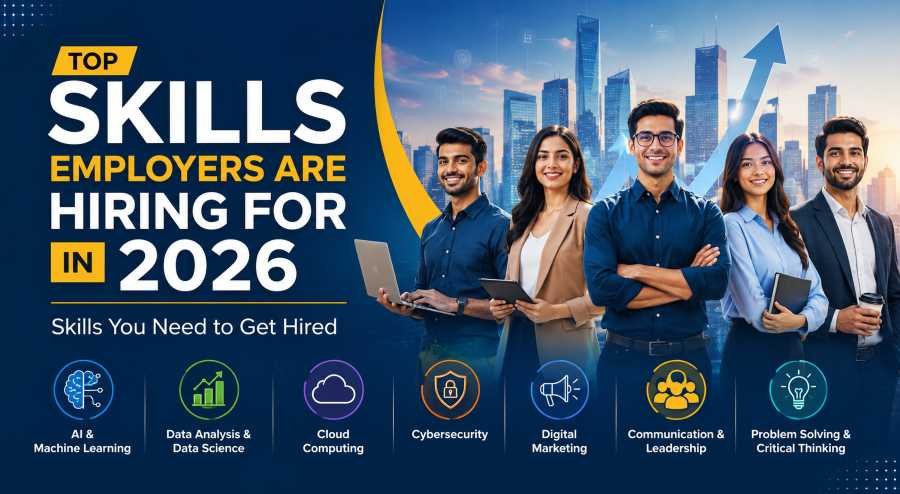
Finding the right job is not only about looking for openings; it also needs ongoing learning and professional growth. The job market changes as companies use technology, digital tools and new ways of working. In 2027, knowing about artificial intelligence, data analytics, cloud computing, cybersecurity, programming, digital marketing and automation can help in many industries. The value of each skill depends on the job and industry. Candidates should find out which skills employers ask for in their chosen fields and work to improve those skills through training and real practice.
A good resume is another step in applying for a job. Your resume should show your education, technical skills, work history, certificates, internships and achievements. Freshers who have no full‑time experience can add projects, training courses, internships, volunteer work and hands‑on tasks. Experienced candidates should list duties, industry knowledge and measurable results. A clear resume lets recruiters see your background and decide if you fit the job.
Candidates should also tailor their resumes to the job details. If a company wants a digital marketing expert with SEO and Google Ads skills, applicants must point out their experience in those areas. Likewise, candidates applying for software roles should list their programming languages, tools and finished projects. Using the keywords naturally in a resume can help it match the applicant tracking systems (ATS) many companies use when hiring.
Interview preparation is just as vital when searching for a job. Candidates should study the company, learn the job duties, and practice answers to interview questions. Candidates must be ready to explain their work experience, technical skills, successes and career goals. Practising speaking skills and doing interviews builds confidence. Candidates should also prepare questions about the company, work setting, duties and chances for growth.
Ongoing skill learning can boost long‑term career chances. Online courses, certificates, workshops and real projects help candidates strengthen their profiles. Instead of chasing every new trend, focus on learning skills that fit your chosen career. Keep your resume and online profile up to date so recruiters see your qualifications and achievements. With a mix of skills, qualifications, preparation and steady effort, candidates can find better jobs and build a successful career.
Conclusion
Finding a job based on your skills and qualifications in 2027 needs good planning, self‑review and an effective job search plan. Candidates should know their strengths, pick industries, look at relevant openings and keep improving their skills. A strong resume, relevant technical knowledge and solid interview prep can raise job chances. Online job sites make it easier to find openings and connect with employers. Visit ClickNaukri to see job chances, find career options and take the step toward your goals. Choosing a job is more than just employment; it is about building a career that fits your abilities, interests and future dreams.
Frequently Asked Questions (FAQs)
1. How can I find the job based on my skills and qualifications?
To find the right job, first list your education, technical skills, work experience and interests. Then search for openings that match your profile on job portals. Read each job description carefully. Apply to positions that line up with your abilities and career goals.
2. Which skills are important for finding a job in 2027?
Important skills vary by industry and job role. I see that technical skills like intelligence, programming, data analytics, cybersecurity, cloud computing and digital marketing fit many modern careers. Communication, teamwork, adaptability and problem-solving are also professional skills.
3. Can freshers find jobs based on their qualifications?
Yes, freshers can explore employment opportunities that match their degrees, certifications, technical knowledge and interests. Freshers can apply for entry‑level positions, internships, graduate trainee programmes and fresher vacancies to start their careers. I believe this is a start.
4. How do online job portals help candidates find employment?
Online job portals let candidates explore vacancies across industries and locations. Candidates can search using job titles, qualifications, experience levels and relevant keywords to discover opportunities that match their profiles. I find this very useful.
5. How can ClickNaukri help me find a job?
ClickNaukri provides a recruitment platform where job seekers can explore employment opportunities and connect with potential employers. Candidates can discover career opportunities and search for positions that match their qualifications, experience and professional interests. I think ClickNaukri is a tool.
Thank you for reading
Search Jobs
Browse Careers
Know Worker Rights
Corporate Training
Recruitment & Staffing
Find Recruiters
Find Recruiters
Find Recruiters
Find Recruiters
------------------------------------------------------------------------------------------------------------------------------------------------
Journalism & News Industry
Resumes & Portfolios
Build Your Resume
Teaching & Classroom Resources
Read more blogs: click here
Compare Benefits Plans
Follow on Instagram