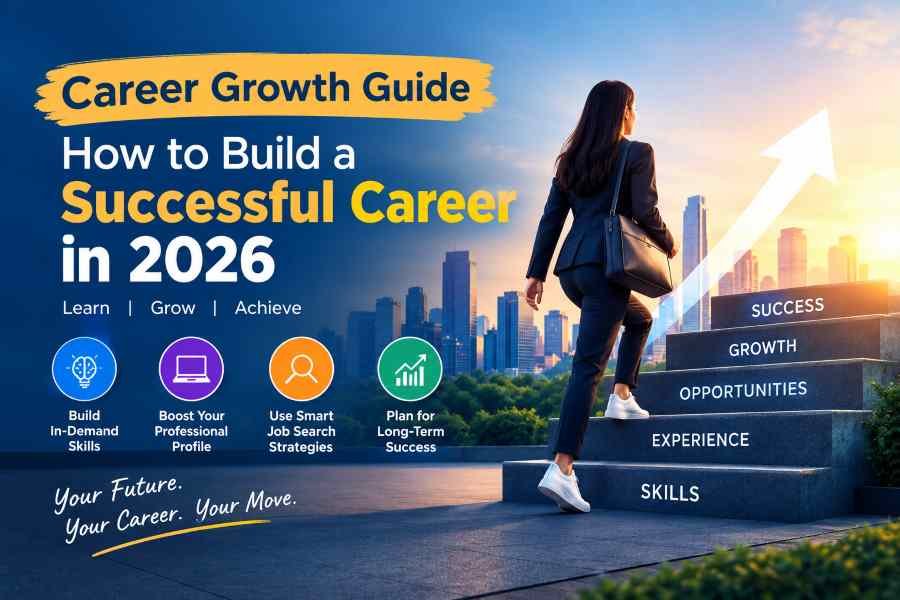
Career Growth Guide How to Build a Successful Career in 2026
Building a career today is not just about getting a degree and sending out job applications. The workplace is changing fast because of intelligence, automation, digital transformation, remote and hybrid work and higher expectations from employers. If you want to grow your career in a way by 2026 you need to understand these changes and keep adapting your skills.
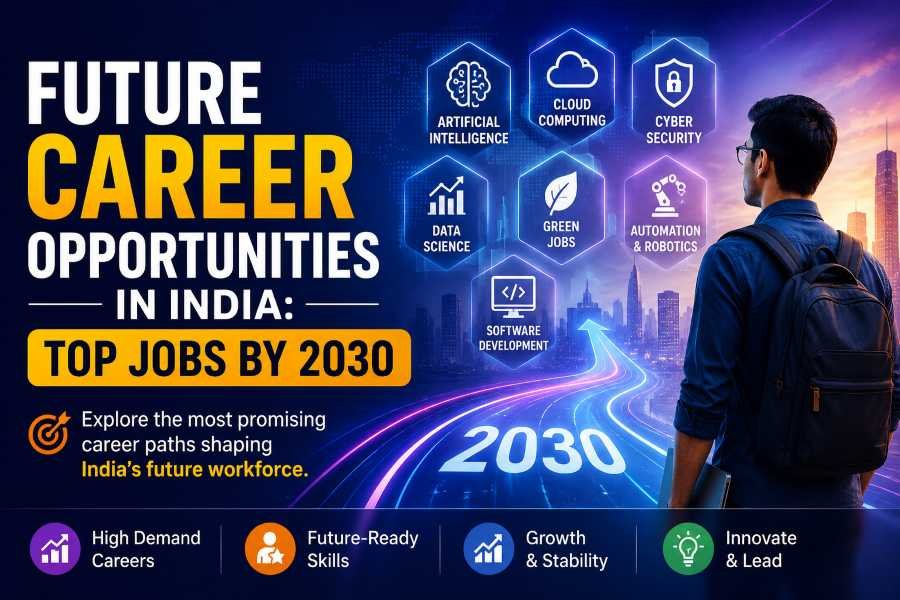
The World Economic Forum’s Future of Jobs Report 2025 says that employer demands for skills will shift significantly through 2030. Skills like intelligence, big data, cybersecurity, network security, technological literacy, creative thinking, resilience, flexibility and lifelong learning are expected to grow in importance.
This means a strong career now depends on a mix of knowledge and human qualities. Whether you are a graduate looking for your first job or an experienced worker planning the next step your ability to learn and adjust can make a big difference.

Start by figuring out where you want your career to go. Of asking, “Which job should I apply for?” ask yourself what kind of work you enjoy, which industries interest you what skills you already have and which ones you still need to develop. A clear goal makes your job search more focused. Helps you choose relevant courses, projects and professional opportunities.
For students and fresh graduates the first step is building a foundation. Communication, problem-solving, teamwork, digital literacy and industry-specific knowledge can boost your chances of getting hired. For professionals with experience the focus may be on leadership, specialization, using technology or moving into growing fields.
India’s job market is also placing value on skills. According to the World Economic Forum, around 63% of workers in India might need training by 2030. This shows how important continuous learning and upskilling are.
So the key to career development in 2026 is simple: know where your industry is headed find out what skills employers want and get ready before the market starts demanding them.
Build In-Demand Skills. Create a Strong Professional Profile
Once you know your career direction the next step in this career growth guide 2026 is to learn skills that make you valuable to employers.
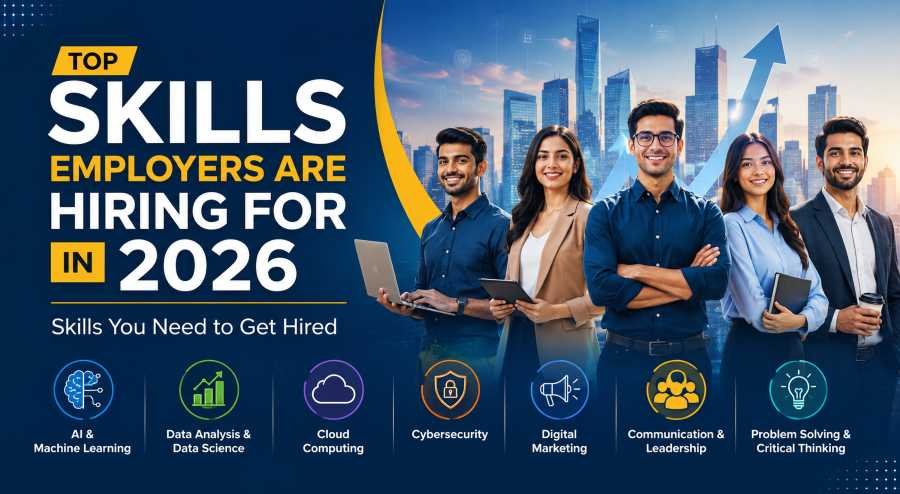
Technical skills will stay important in areas tied to technology and digital change. Depending on your field these could include intelligence, data analysis, cybersecurity, programming, digital marketing, cloud computing, design tools or other software… Technical skills alone are not enough.
Employers also look for skills such as analytical thinking, creativity, communication, adaptability, leadership and teamwork. The World Economic Forum lists thinking as one of the most important core skills. Other top skills include resilience, flexibility, leadership, social influence, creative thinking, technological literacy and curiosity and lifelong learning.
This gives job seekers a chance: build a mix of skills instead of focusing on only one area. For example a digital marketer who knows SEO, analytics and AI tools can combine tech skills with creativity and communication. A software developer can strengthen their abilities with good problem-solving, team collaboration and project management.
Upskilling doesn’t mean collecting dozens of certificates. The real goal is to show that you can use your knowledge in situations. Work on projects finish assignments build portfolios do internships or freelance work and record measurable results wherever possible.
Your resume should clearly show what you can do. Of listing tasks describe outcomes. Saying you “managed social media campaigns” is less powerful than showing how those campaigns led to results like increasing engagement by 40% or generating 200 new leads.
Your LinkedIn profile and other online platforms should also be up to date. Use a headline add relevant skills write a short summary and include details of meaningful projects or experiences. Employers often look for proof of what candidates accomplished.
AI can also become part of your toolkit. Don’t see AI as a threat. Learn how it can help with research, writing, analysis, productivity, coding, design or any task related to your job. Research shows that AI is changing the balance of required skills. Human abilities still matter.
A practical idea is to set aside a fixed amount of time each week for learning. A few hours a week can lead to major progress over a year. Follow industry news take courses attend webinars work on hands-on projects and talk to experienced professionals.
Remember, professional growth is not a one-time event. The skill that gets you hired today may not be the one that helps you get promoted tomorrow. Keeping your learning habits alive keeps your career future-ready.
Use Smart Job Search Strategies and Plan Long-Term Career Growth
Having the right skills matters. You also need a smart plan to turn those skills into job offers. A successful job search in 2026 should be focused, not based on sending the resume to many irrelevant jobs.
Begin by finding roles that match your skills, background and long-term goals. Use trusted job websites like ClickNaukri to discover opportunities that fit your profile. Before applying read the job description carefully. Check what qualifications, responsibilities and skills are needed.
Customize your resume for every job you apply to. Your resume should help recruiters quickly see your experience and suitability. Include keywords naturally—don’t overload it—but make sure your skills stand out. Highlight projects, achievements, certifications, technical skills and past work experiences that connect directly to the role.

Networking can also play a role in your career journey. Connect with people in your field join groups attend industry events and share useful content. Networking is about building relationships not just asking people for job referrals.
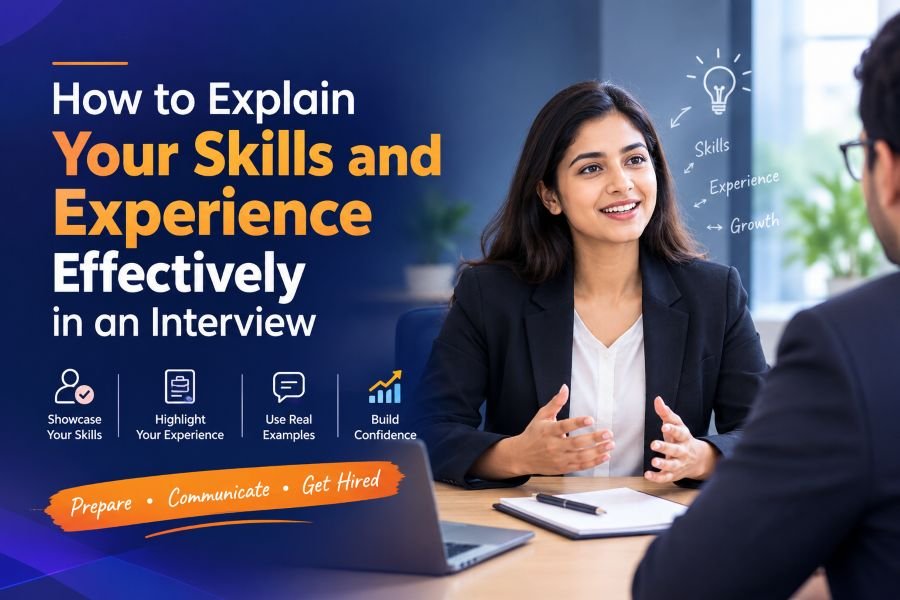
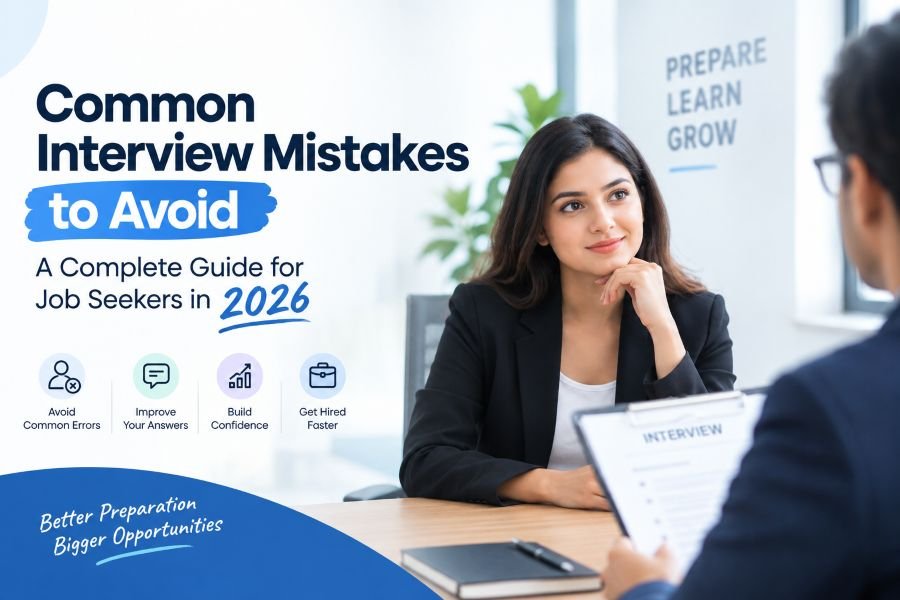
Interview preparation is another part of career development. Research the company and position prepare examples that show your strengths and practice explaining your experience clearly. Be ready to answer questions about teamwork solving problems communicating well being adaptable and learning from mistakes.
At the time don’t think landing a job is the end goal. Make a long-term career plan. Set short-term goals for the three to six months and bigger goals for one to three years. Review your progress regularly. Update your plan as your industry evolves.
A useful career plan can include learning a skill finishing a certification gaining hands-on experience moving into a specialized role taking on leadership duties or trying a new industry.
It’s also important to measure success beyond salary. Career growth can come from increased responsibility, stronger skills, better connections, meaningful work, leadership chances and deeper job satisfaction. Your own definition of success should reflect your values and goals.
For job seekers in India this approach is especially helpful because employers are dealing with digital change. The World Economic Forum’s findings for India point to rising demand for creative skills, technology-related knowledge and ongoing learning.
In the end building a career in 2026 takes preparation, openness to change and steady action. You don’t have to predict how the job market will look years from now. Instead focus on building skills staying curious understanding shifts in your field and being ready to keep learning.
Conclusion
A strong career growth guide for 2026 is not about finding one perfect job or sticking to a single path. It’s about creating the ability to grow as opportunities and workplace needs change. Develop both human skills build real experience maintain a strong professional image use targeted job-search methods and keep learning throughout your career.
The future of work will keep changing especially as AI and digital tools become more common across industries. By combining skills with analytical thinking, creativity, communication, resilience and a commitment to lifelong learning professionals can create a solid base for long-term career success.
Whether you are starting your job switching careers or looking for your next move make 2026 a year of smart learning and thoughtful planning.
FAQs
How can I build a career in 2026?
Focus on developing demand technical and human skills gaining practical experience building a strong professional profile, networking and updating your knowledge regularly.
Which skills are important for career growth in 2026?
Skills like intelligence, big data, technological literacy, analytical thinking, creative thinking, adaptability, communication, leadership and lifelong learning are among the most important according to current workforce trends.
Is upskilling important for career development?
Yes. Continuous upskilling helps professionals stay relevant as technology, job roles and employer needs evolve.
How can freshers improve their employability?
Freshers can build projects, complete internships develop communication and technical skills create a strong resume and apply for jobs that match their qualifications and abilities.
How can ClickNaukri help with a job search?
ClickNaukri helps job seekers find employment opportunities and matches their skills and experience, with job openings.
Thank you for reading
Corporate Training
Recruitment & Staffing
------------------------------------------------------------------------------------------------------------------------------------------------
Journalism & News Industry
Resumes & Portfolios
Read more blogs: click here
Compare Benefits Plans
Follow on Instagram