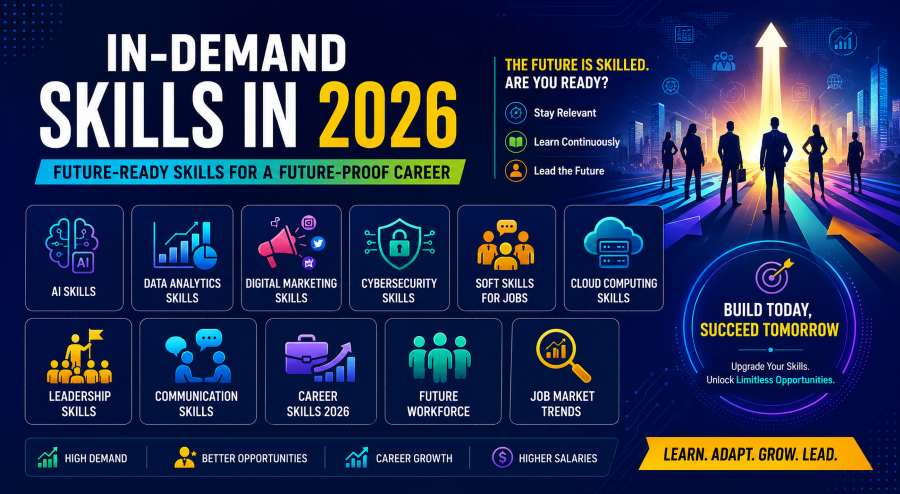
The Most In Demand Skills Employers Will Seek in 2026
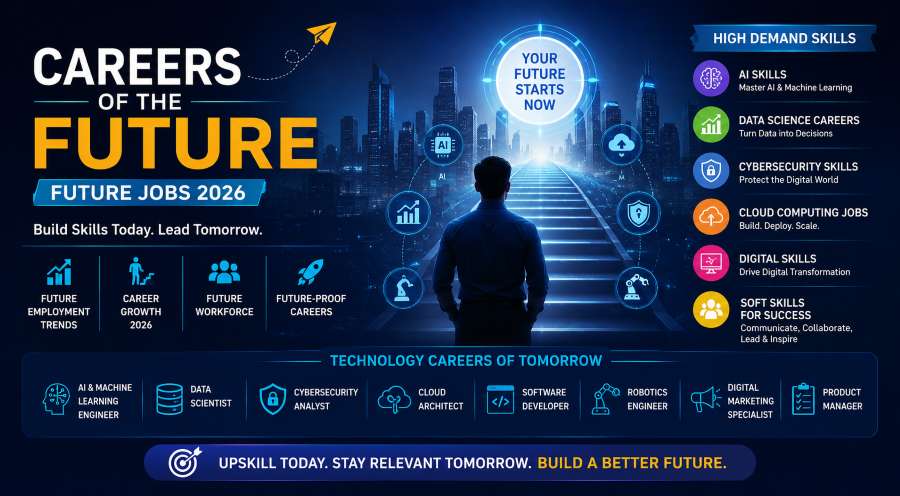
The workplace is changing fast. New technologies like artificial intelligence (AI), automation, and cloud computing are changing industries. Businesses want professionals with skills and good people skills.
In 2026, employers will look for people who can adapt, solve problems and learn technologies.
Whether you’re a student, job seeker or working professional, understanding in-demand skills can help you stay competitive.

Why Skills Matter More Than Degrees
Employers value skills over degrees. Certifications, experience and problem-solving skills are important.
Companies want employees who can:
- Learn quickly
- Adapt to changes
- Work well with others.
- Solve complex problems
- Drive innovation
The future workforce is about learning.
1. Artificial Intelligence (AI) Skills
AI is essential in industries. Companies seek professionals who understand:
- AI tools
- Machine learning basics
- Generative AI
- AI-powered automation
- AI ethics
Professionals who integrate AI into business processes will have career opportunities.
2. Data Analytics and Business Intelligence
Data is an asset. Organisations rely on data to make decisions.
Important skills include:
- Data visualization
- Excel
- Power BI
- Tableau
- SQL
- Python for analytics
- Predictive analytics
Professionals who turn data into insights will be highly valuable.
3. Cybersecurity
Cyber threats are increasing. Businesses need cybersecurity professionals.
Key skills include:
- Network security
- hacking
- Risk management
- Identity management
- Cloud security
- Incident response
- Security compliance
Cybersecurity is a fast-growing career field.
4. Cloud Computing
Most organisations use cloud platforms. Knowledge of cloud infrastructure is a requirement.
Popular platforms include:
- AWS
- Microsoft Azure
- Google Cloud Platform
Professionals with cloud expertise will be in demand.
5. Digital Marketing
Businesses are expanding online. Digital marketing is a career path.
Important skills include:
- Search Engine Optimisation (SEO)
- Search Engine Marketing (SEM)
- Content Marketing
- Email Marketing
- Social Media Marketing
- Performance Marketing
- Google Ads
- Analytics
Companies hire marketers who understand AI marketing tools and customer behaviour.
6. Software Development
Software developers are sought-after professionals.
High-demand programming languages include:
- Python
- JavaScript
- Java
- C#
- Go
- TypeScript
Additional skills include:
- APIs
- Full Stack Development
- DevOps
- Mobile App Development
- Software Testing
The demand for software engineers continues to rise.
7. Communication Skills
Technology isn’t enough. Employers value communication skills.
Professionals should develop:
- Speaking
- Business writing
- Active listening
- Presentation skills
- -cultural communication
Clear communication improves teamwork and customer relationships.
8. Leadership and Team Management
Leadership isn’t limited to managers. Companies value professionals who can:
- Take initiative
- Mentor colleagues
- Resolve conflicts
- Manage projects
- Inspire teams
- Make strategic decisions
Future leaders combine expertise with emotional intelligence.
9. Critical Thinking and Problem Solving
Automation performs tasks, but humans solve complex problems.
Employers seek candidates who can:
- Analyze situations
- Think logically
- Evaluate risks
- Develop solutions
- Make informed decisions
Critical thinking supports better business outcomes.
10. Emotional Intelligence (EQ)
Emotional intelligence is important. Employees with EQ can:
- Build relationships
- Handle workplace stress
- Understand customer needs
- Collaborate effectively
- Lead teams
High emotional intelligence leads to stronger leadership performance.
11. Adaptability and Continuous Learning
Technology changes rapidly. Successful professionals update their knowledge through:
- certifications
- Workshops
- Industry conferences
- networking
- Practical projects
Employers appreciate candidates who embrace lifelong learning.
12. Project Management
Businesses rely on project-based work. Valuable project management skills include:
- Planning
- Budgeting
- Resource allocation
- Agile methodology
- Scrum
- Risk management
- Time management
Certified project managers enjoy career growth.
Industries Hiring These Skills
Professionals with ready skills will find opportunities in:
- Information Technology
- Healthcare
- Finance
- Manufacturing
- Logistics
- E-commerce
- Education
- Digital Marketing
- Energy
- Telecommunications
- Artificial Intelligence
- Consulting
These skills are valuable across industries.

How to Prepare for the Future Job Market
Focus on building a balanced skill set. Here are practical steps:
- Learn one technical skill every six months.
- Improve communication and presentation abilities.
- Earn industry-recognised certifications.
- Build a portfolio showcasing real-world projects.
- Stay informed about emerging technologies.
- Participate in internships or freelance work.
- Network with professionals in your field.
- Practice problem-solving through case studies and challenges.
Consistent learning and hands-on experience will help you remain competitive.
Conclusion
The employment landscape in 2026 will reward professionals who combine expertise with strong human skills. While AI, cloud computing and data analytics transform industries, qualities like communication, leadership and emotional intelligence remain important.
Rather than viewing technology as competition, professionals should use it to enhance productivity and innovation. Continuous learning, practical experience and a growth mindset will define careers.
By investing in in-demand skills today, individuals can improve employability, unlock career opportunities and navigate the future of work.
FAQs
1 What are the most in-demand skills employers will seek in 2026?
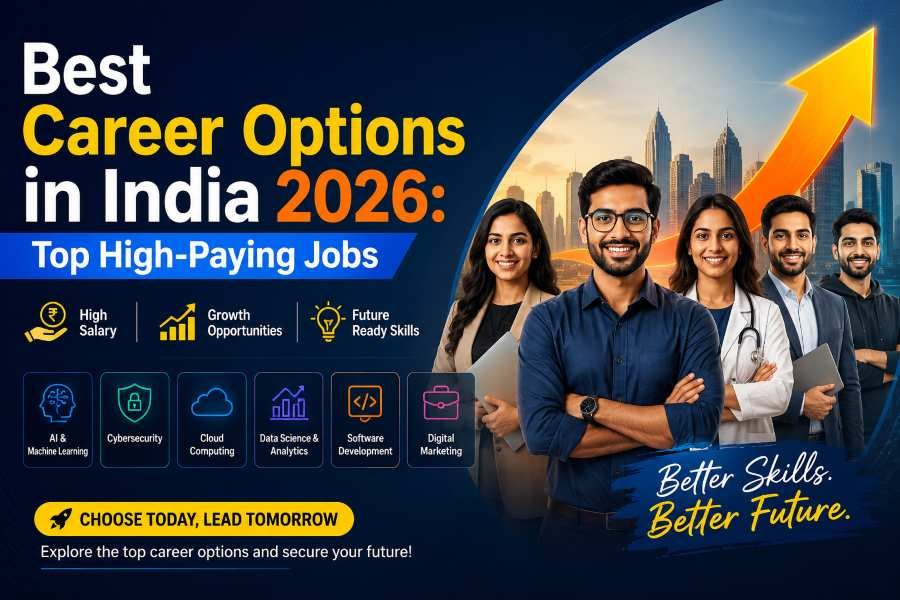
The top skills include AI, data analytics, cybersecurity, cloud computing, software development, digital marketing, communication, leadership, intelligence and project management.
2 Why are soft skills important alongside hard skills?
Soft skills, such as communication, teamwork, adaptability, and problem-solving, help employees collaborate effectively, lead teams, and navigate workplace challenges.
3 Is artificial intelligence replacing jobs?
AI automates tasks, but it also creates new roles that require AI literacy, human oversight, creativity and strategic decision-making.
4 Which industries will hire professionals with these skills?
High demand exists in IT, healthcare, finance, logistics, manufacturing, e-commerce, education, renewable energy, consulting and digital marketing.
5 How can I prepare for the job market?
Develop expertise, strengthen soft skills, earn certifications, build a portfolio, gain practical experience, and commit to lifelong learning to stay competitive.
Thank you for reading 🙂
------------------------------------------------------------------------------------------------------------------
Read more blog click here
Follow us on Instagram
If you want to build your website at an affordable price, then click here